

Mindset, Mentorship, and Opportunity

Women already possess many of the skills needed to succeed in automotive: listening, solving problems, explaining value, advocating for others, following through, and influencing decisions. Leslie’s message is that success often begins by recognizing those everyday abilities as professional strengths. The right mentor then creates room to test them, build confidence, and contribute beyond the limits of a job title.
This is a focused extension of Galleria BMW’s broader Women in Automotive conversation. Rather than asking women to change who they are, it explores how mindset, mentorship, and meaningful opportunity can reveal strengths they may already be using at work, at home, and in their communities.
On this page
Reframing What Automotive Sales Really Means
“Sales” can sound like pressure, persuasion, or a personality contest. Ethical automotive sales is more human than that. It begins with understanding what someone needs, identifying a suitable solution, communicating its value clearly, and helping the customer make an informed decision.
That description is consistent with the work itself. The U.S. Department of Labor-sponsored O*NET profile for retail salespeople includes determining customer needs, answering questions, explaining products, and recommending solutions. Its customer service profile similarly emphasizes listening, resolving problems, explaining information, and following up.
Leslie’s point is not that every conversation is a sales pitch. It is that many women already know how to move a decision forward with care and good judgment. They may do it while organizing a project, advocating for a family member, training a colleague, managing a budget, calming a frustrated client, or helping a friend compare choices.
The core idea: Selling does not require becoming less authentic. At its best, it means using empathy, knowledge, and communication to solve the right problem.

The Transferable Skills Women May Already Have
These are not inherently “female” traits. They are professional, learnable human skills. The opportunity gap often appears when everyday competence is treated as helpfulness rather than recognized as leadership, influence, or commercial value.
|
How everyday strengths translate into automotive work |
||
|
Existing strength |
Automotive application |
Evidence to identify |
|---|---|---|
|
Active listening |
Discovering a customer’s priorities before recommending a vehicle or service |
A time you uncovered the real concern behind someone’s first question |
|
Problem-solving |
Comparing options, removing obstacles, and coordinating next steps |
A problem you resolved using limited time, information, or resources |
|
Explaining complex information |
Making vehicle technology, financing steps, or service recommendations easier to understand |
A process you taught without relying on jargon |
|
Advocacy |
Representing a customer’s needs while balancing operational requirements |
A situation in which you helped someone receive a fair, workable outcome |
|
Follow-through |
Keeping appointments, documents, updates, and commitments on track |
A project you moved from initial conversation to completed result |
|
Relationship-building |
Creating trust before, during, and after a purchase or service visit |
A professional relationship sustained through reliability rather than pressure |
The goal is not simply to say, “I am good with people.” Strong candidates can explain what they did, why they did it, and what changed as a result.
Why Mindset Comes Before Mastery
Confidence is not the belief that you already know everything about vehicles. It is the belief that your perspective has enough value to be heard, tested, and improved.
Automotive knowledge matters, but it can be developed. Product features, dealership processes, software, terminology, and compliance requirements all require study. The mindset barrier appears when someone assumes that not knowing everything means she has nothing useful to contribute.
A more productive confidence checklist
-
I can ask a clear question without apologizing for asking it.
-
I can separate what I know from what I still need to verify.
-
I can describe my transferable skills with specific examples.
-
I can receive corrective feedback without treating it as a verdict on my potential.
-
I can contribute an idea even when I am not the most senior person in the room.
This approach avoids two extremes: waiting for perfect confidence before acting and pretending to possess knowledge that has not yet been earned. Healthy confidence makes room for both contribution and learning.
How Mentorship Creates Opportunity
Leslie points to Bo Mandal as an example of leadership that did more than offer encouragement. He created space for her to contribute beyond a narrowly defined title. That distinction matters because talent is difficult to demonstrate when a person is never trusted with a meaningful assignment.
The National Academies’ review of effective mentorship, although focused on STEMM fields, treats mentorship as an intentional set of practices rather than vague goodwill. Expectations, feedback, development, inclusion, and growing independence all shape whether a mentoring relationship produces real progress.
Mentor, coach, and sponsor: What is the difference?
-
A mentor shares perspective, helps interpret situations, and supports long-term development.
-
A coach focuses on improving a particular skill or performance area.
-
A sponsor advocates for someone when opportunities, projects, or advancement are being discussed.
One person may serve all three functions, but advice alone is not the same as access. Effective leaders pair encouragement with a chance to perform, clear expectations, useful feedback, and recognition when the work succeeds.
Questions that turn mentorship into development
-
Which strength do you see me underusing?
-
What project could I own instead of only assisting with?
-
What result would demonstrate that I am ready for greater responsibility?
-
What skill gap should I address first?
-
Who else should understand the work I am capable of doing?
For broader resources related to women entering fields where they have historically been underrepresented, the U.S. Department of Labor Women’s Bureau provides information on nontraditional occupations and workforce pathways.
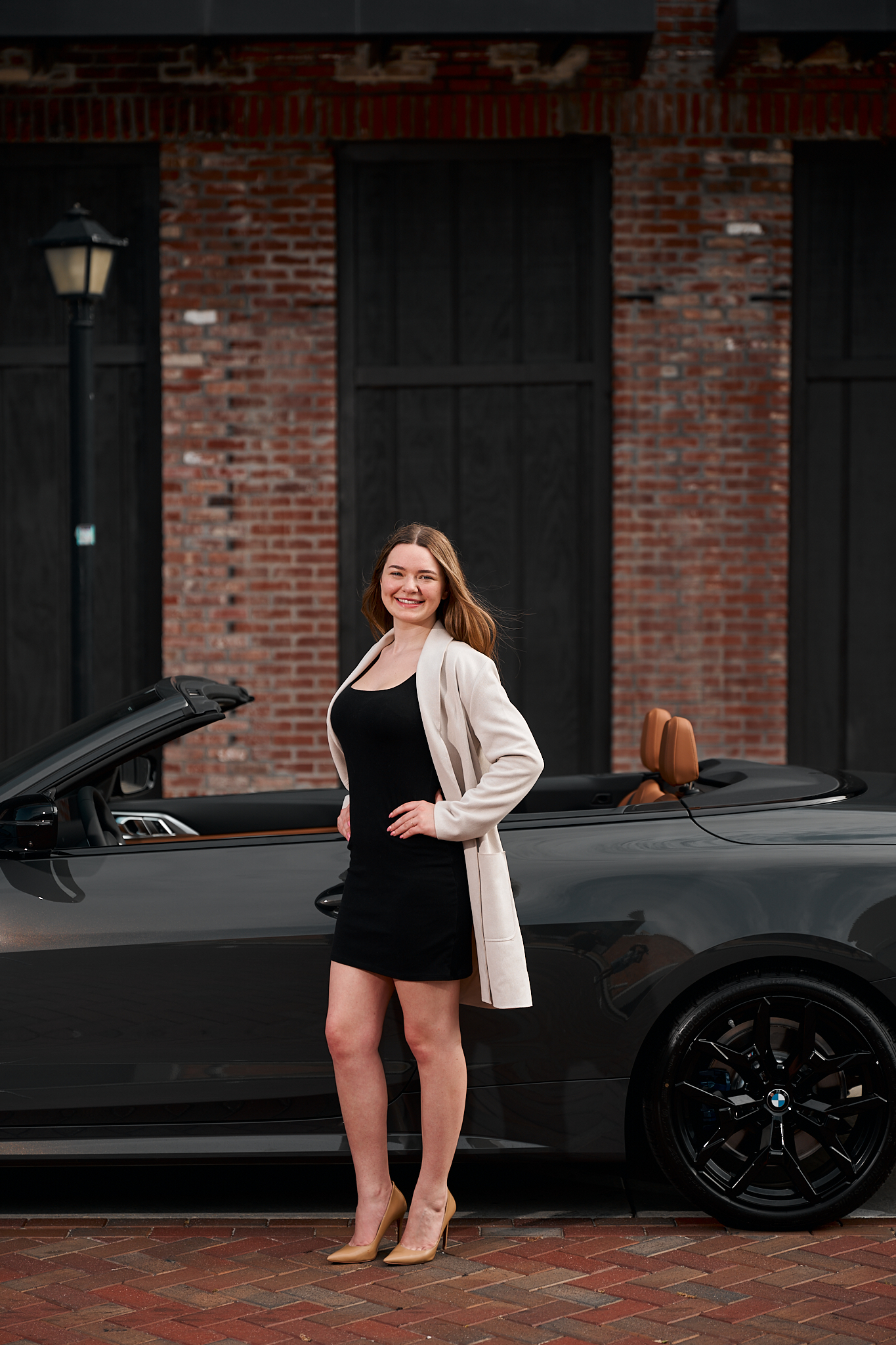
Choosing an Automotive Career Path
Automotive retail includes far more than vehicle sales. Titles, qualifications, schedules, and compensation structures vary by employer, so candidates should review each position rather than relying on the title alone.
|
Automotive roles by strengths, fit, and tradeoffs |
||
|
Career area |
May suit someone who enjoys |
Important realities to consider |
|---|---|---|
|
Vehicle sales or client advising |
Relationship-building, discovery, negotiation, and managing a process |
Goals, customer follow-up, variable schedules, and performance-based compensation may apply |
|
Product education |
Teaching technology, demonstrating features, and making details approachable |
Requires continuous learning and patience with different comfort levels; explore the role of a BMW Genius |
|
Service advising |
Coordinating work, translating technical information, and helping people under pressure |
Can be fast-paced and requires accurate communication among customers and technicians |
|
Finance or administration |
Detailed processes, documentation, organization, and explaining choices |
Accuracy, privacy, compliance, and employer-specific training are essential |
|
Marketing, events, or operations |
Project management, community relationships, communication, and process improvement |
Success is measured through deadlines and business outcomes, not ideas alone |
|
Parts or technical service |
Diagnostics, hands-on work, tools, systems, and precise problem-solving |
Education, physical demands, tools, and certification expectations vary by position |
A customer-facing role may not suit someone who strongly dislikes follow-up, performance goals, or frequent conversations with unfamiliar people. A technical role may not suit someone who is unwilling to pursue structured training. Neither judgment is a failure; the objective is to match strengths and working preferences to the right opportunity.
A Practical Plan for Turning Existing Strengths Into Opportunity
-
Write down three outcomes you influenced. Choose examples involving a solved problem, an improved process, a decision you helped someone make, or a relationship you preserved.
-
Translate each story into business language. Replace “I helped” with precise verbs such as organized, recommended, resolved, retained, explained, negotiated, coordinated, or improved.
-
Learn the customer journey. Understand how sales, product delivery, financing, service, parts, and follow-up connect. This reveals where your skills may create the most value.
-
Close one knowledge gap at a time. Start with terminology, product basics, customer relationship software, or another skill connected to the role you want.
-
Ask for a small but visible assignment. Volunteer to lead a follow-up process, explain a feature, coordinate an event, improve a handoff, or present a solution.
-
Request feedback tied to results. Ask what worked, what should change, and what evidence would demonstrate readiness for a larger responsibility.
This process turns confidence from a feeling into a record of action. It also gives mentors something concrete to support and sponsors something credible to advocate for.

How to Evaluate Whether a Workplace Supports Women
A supportive workplace should offer more than encouraging language. Look for transparent expectations, access to training, specific feedback, fair opportunities to own work, and leaders who recognize contributions outside traditional role boundaries.
Questions to ask during a career conversation
-
How is success measured in the first 30, 60, and 90 days?
-
What training is provided, and who answers questions after formal training ends?
-
How are stretch assignments distributed?
-
How are compensation and performance goals calculated?
-
Can employees learn about departments beyond their initial role?
-
How does the organization respond when someone proposes a process improvement?
For candidates on the Mississippi Gulf Coast, practical fit also matters. Compare potential shifts with public business hours, calculate the real commute, and ask how schedule changes and severe-weather communications are handled. Public operating hours may not match an employee’s shift, so use Galleria BMW’s hours and directions as a starting point rather than an employment schedule.
Representation is also worth exploring thoughtfully. A dealership staff page can help candidates understand departments and identify useful questions, but a roster alone cannot reveal whether employees receive mentorship, decision-making authority, or advancement opportunities. Those subjects require direct conversation.
Frequently Asked Questions
Do women need previous automotive experience to enter the industry?
Not for every role. Customer service, communication, operations, teaching, administration, and sales experience can transfer well. Technical, finance, management, and regulated responsibilities may require specific training or credentials, depending on the employer and position.
Do I have to be an extrovert to succeed in automotive sales?
No. Strong sales professionals do not need to dominate conversations. Careful listening, thoughtful questions, accurate explanations, and reliable follow-up are often more valuable than being the loudest person in the room.
What if I have been selling informally but never held a sales title?
Document the decisions you influenced and the outcomes you helped create. Examples may include retaining a client, recommending a solution, coordinating a purchase, presenting an idea, or resolving an objection. Describe the process and result, not just the assistance you provided.
Is automotive sales about pressuring customers?
It should not be. Responsible sales work helps customers clarify needs, compare appropriate options, understand tradeoffs, and make their own informed decisions. Pressure may produce a transaction, but trust supports a lasting relationship.
What is the difference between a mentor and a sponsor?
A mentor offers advice and perspective. A sponsor actively advocates for your inclusion in a project, opportunity, or advancement conversation. Both can be valuable, but sponsorship creates visibility that advice by itself may not provide.
How should I ask someone to mentor me?
Make the request specific and manageable. Ask for guidance on one career decision, request feedback on a recent project, or propose a short monthly conversation. Demonstrating preparation and following through makes the relationship more useful for both people.
What should good mentorship look like in practice?
Good mentorship includes honest feedback, clear expectations, exposure to new responsibilities, and increasing independence. It should help a person build capability rather than dependence on the mentor.
Where can I learn more about Galleria BMW’s perspective?
Explore the dealership’s discussion about normalizing women in automotive and its related perspective on why people matter in the automotive experience.
Turn Belief Into the Next Conversation
Leslie’s message is both encouraging and practical: women may already be selling, solving, influencing, and creating value long before anyone gives those abilities an automotive title. The next step is to name those strengths, develop the necessary industry knowledge, and find leaders who provide both honest feedback and room to contribute.
Continue exploring Women in Automotive at Galleria BMW, learn more about the people and departments on the Galleria BMW team page, or contact Galleria BMW with a specific question about the dealership and its culture.
Sources
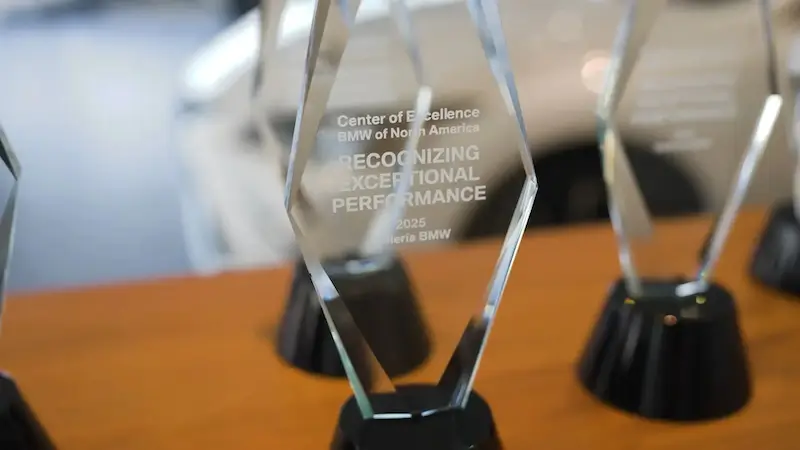
BMW Center of Excellence: What the Award Actually Means for Buyers
BMW’s Center of Excellence award is an annual dealership-level distinction from BMW of North America for top-performing authorized BMW Centers.…
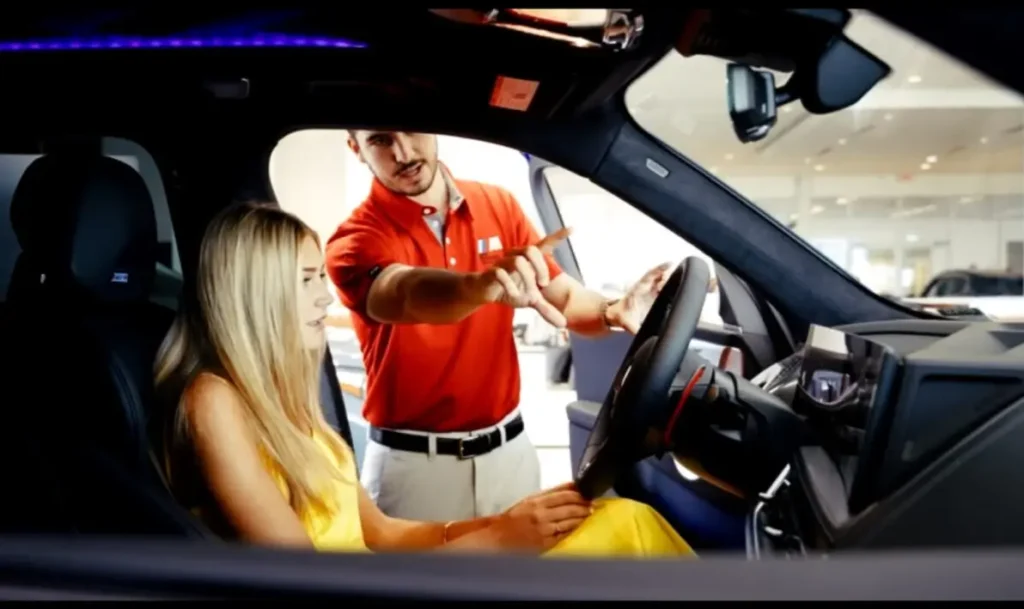
How to Buy a BMW Online and Have It Delivered to Your Door
You can buy a BMW online by selecting a specific vehicle, confirming an itemized out-the-door price, arranging your trade and…

Is It Worth Buying a BMW From an Out-of-State Dealer?
Yes—buying a BMW from an out-of-state dealer can be worth it when the exact vehicle, allocation, condition, or fully delivered…